

If you're on GLP-1 medications and dealing with constipation, you're not alone. Many people experience this side effect, which can be frustrating. Understanding the link between GLP-1 and constipation is key to finding relief. In this article, we'll explore what causes constipation with GLP-1 use and provide some practical tips to help you manage it effectively.
Key Takeaways
- GLP-1 medications can slow digestion, leading to constipation.
- Increasing fiber and water intake can help ease symptoms.
- Regular exercise promotes better digestion and bowel movements.
- Over-the-counter remedies may provide temporary relief but consult a doctor first.
- If constipation persists, seek advice from a healthcare professional.
Understanding GLP-1 and Its Effects on Digestion
When you start using GLP-1 medications, you might notice some changes in how your body processes food. These medications are known not only for helping to manage blood sugar and support weight loss, but also for altering your digestion. GLP-1 works by slowing the emptying of your stomach, which means that food moves a bit more slowly through your digestive system. This slowdown can give you more time to feel full, but it can also lead to a slower movement of waste through the intestines.
The effect on digestion happens in a few ways:
- It delays the movement of food, which means that the stomach holds on to food longer than usual. Ozempic side effects
- The slower transit time can lead to more water being absorbed from your food waste, which makes your stools harder to pass. Constipation tips
- Changes in appetite caused by GLP-1 might result in you eating less or choosing foods with lower fiber content, which can further slow things down. Tirzepatide options
When you experience these digestive changes, it can feel uncomfortable if your body isn’t used to them. However, understanding why this happens might help you adjust your routine. Often, making a few dietary tweaks and simple lifestyle changes can ease the transition as your body adapts to these medications.
What is Constipation?
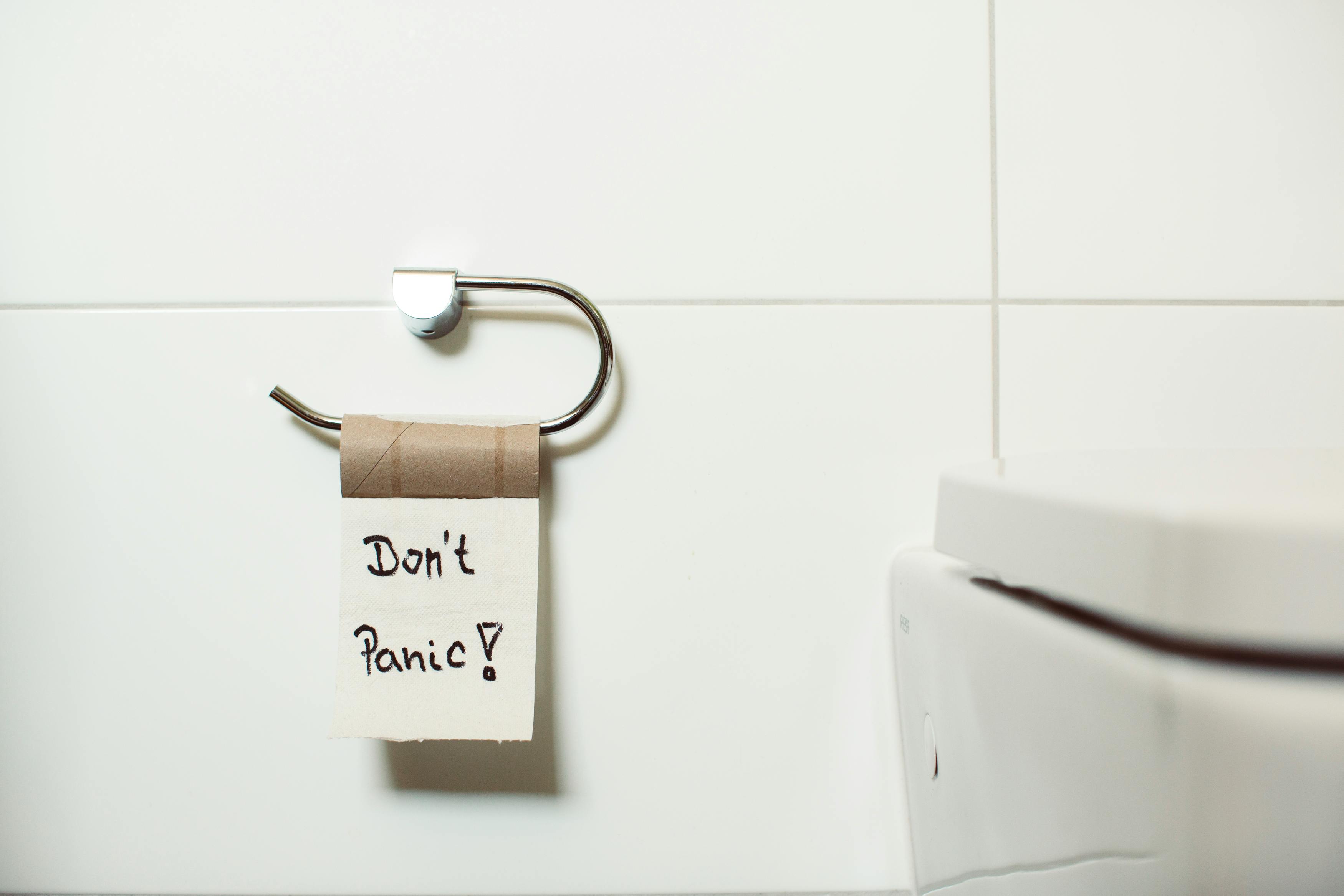
A number of factors can contribute to constipation. For instance, not taking in enough fluids or fiber in your diet, or even a drop in regular physical activity, might throw off what your body normally does. You may also be dealing with medication side effects, such as those seen in some GLP-1 side effects cases. It's important for you to understand that constipation is not a disease on its own, but a symptom that can give you clues about your overall digestive health.
When you’re trying to figure out if you’re dealing with constipation, consider the common signs below:
- Fewer than three bowel movements in a week
- Hard, dry stools that are tough to pass
- The need to strain during bowel movements
- A feeling that your bowels haven't fully emptied
These points summarize what you might be experiencing. Recognizing these signs can help you take early steps in managing your condition, especially if adjustments to your diet or lifestyle could be responsible for the changes you see. It’s a straightforward process to make small tweaks that can lead to better regularity and a more comfortable feeling overall.
Remember, you’re taking steps toward a more balanced routine each day, and a little knowledge can go a long way in keeping your digestive system running smoothly. Moreover, if you suspect that your medications might contribute to these changes, discussing them with your doctor can offer additional insights into constipation symptoms and how best to address them.
⭐️ Looking to optimize your health? Explore our handpicked directory of the best men's health brands in the U.S.
How GLP-1 Medications Can Cause Constipation
When you take GLP-1 medications, you might find that your digestive system slows down a bit. These meds are designed to help manage your blood sugar and aid in weight loss, but one of the side effects you could experience is constipation. The way these drugs work is by reducing the speed at which your stomach empties, which in turn slows the movement of food through your intestines. This gives your colon more time to absorb water, making your stool harder and more difficult to pass. It’s a common scenario that many patients encounter, much like the side effects overview you might read about in medical resources.
There are several ways in which GLP-1 medications might lead to constipation, including:
- Slowed Gastric Emptying: When your stomach empties slower than usual, the overall transit of food in your digestive tract also reduces. This slower movement means that water has more time to be absorbed, leaving your stool dryer.
- Reduced Appetite and Fiber Intake: Since these medications often promote a feeling of fullness, you might find yourself eating less. This can mean a lower intake of dietary fiber, an important nutrient that helps move waste through your system. A decrease in fiber naturally makes it harder for your body to process and eliminate waste.
- Dose-Related Effects: In some cases, the higher doses of GLP-1 meds can put extra strain on your digestive system, leading to a more noticeable slowdown in digestive movements and an increased risk of constipation. Oral tirzepatide insights have noted comparable effects where the side effects might become more pronounced with higher doses.
It’s important that you keep an eye on these changes and adjust your lifestyle if needed. For example, staying hydrated and making small tweaks in your daily habits can help address constipation. Simple steps like drinking enough water or adding more fiber-rich foods to your diet have proven to be effective. In fact, increasing fluid intake is a commonly recommended strategy that many patients have found useful.
By understanding exactly how these medications work, you’re better equipped to manage any side effects. This knowledge enables you to make informed decisions about your diet and activity level while using GLP-1 medications, ensuring you can keep your digestive system functioning as smoothly as possible.
Articles You Might Like:
Quick Tips for Relieving GLP-1 Induced Constipation
When you’re dealing with constipation while on GLP-1 treatments, a few simple lifestyle changes can really help smooth things out. Below are some practical suggestions you can try out.
Increase Fiber Intake
Boosting your fiber in the diet can make a noticeable difference. You want to include foods that naturally help bulk up your stool and get things moving. Consider incorporating a variety of whole grains, fruits, and vegetables into your meals. For example, you might add:
- Whole wheat pasta or brown rice
- Fresh apples or berries
- Leafy greens and other fresh produce
Small changes, like choosing fiber-rich snacks, can ease your discomfort over time. Even trying a new banana smoothie recipe might be worth experimenting with. Also, if you’re curious about practical advice on boosting your daily fiber, check out the fiber benefits for some insights.
Stay Hydrated
Drinking enough fluids is key to softening your stool and making bowel movements less of a hassle. You should aim for water as your number one beverage, along with other non-caffeinated drinks when possible. To keep a good fluid balance, try to:
- Drink a glass of water first thing in the morning
- Keep a reusable water bottle with you during the day
- Replace one cup of sugary drinks with herbal tea
Staying hydrated will not only help with constipation but also keep your overall health in check. Sometimes, even linking water intake with your GLP-1 routine—like with GLP-1 medication info—can remind you to keep sipping throughout the day.
Regular Physical Activity
Moving your body regularly supports better digestion and can help reduce constipation. You don’t need to become a gym buff overnight; even moderate activities can make a difference. You might want to:
- Go for a brisk walk after meals
- Try a light stretching or yoga routine
- Consider a short bike ride in the evenings
These activities stimulate your digestive system and can help you feel more comfortable overall. Remember, integrating just a bit of extra movement daily can have a beneficial impact without overexerting yourself.
Consider Over-the-Counter Remedies
Sometimes, natural changes in your diet and exercise routine need a little boost from over-the-counter options. If you find that you’re still feeling backed up, you might explore remedies like gentle laxatives or stool softeners. When doing so, consider:
- Reading labels for ingredients that suit your needs
- Starting with a low-dose to assess how your body responds
- Checking in with a healthcare provider if you have any concerns
Even if you’re already trying dietary changes, many people on medications such as Ozempic have found mild over-the-counter options useful. You can look into some Ozempic advice for extra pointers on managing side effects. Remember, you know your body best, so adjusting these strategies to your comfort level is key.
Taking these steps one at a time can help you manage and relieve GLP-1 induced constipation. Experiment with different tactics and see which combination works best for you.
When to Consult a Healthcare Professional
When you're using GLP-1 medications, sometimes you may start to feel symptoms that signal it's time to talk to a healthcare provider. You want to be sure you're taking care of yourself. If your symptoms stick around or get worse, then reaching out to a doctor is a good idea. Here are some signs that you should consider a consultation:
- If you experience abdominal pain that is intense or continues.
- When you have painful bowel movements that cause extra discomfort.
- In case you notice blood in stool or your constipation just won't go away.
Remember, you don't have to wait until you're feeling really bad. Getting in touch with a healthcare professional early can help you manage your symptoms more effectively and keep your overall health in check.
Long-term Management Strategies for Constipation
Managing constipation over the long haul means setting up a routine that fits your life. You may feel frustrated when quick fixes don’t work permanently, but a steady approach can pay off. Here are some ideas to help you build a more comfortable lifestyle:
- Stick to a high-fiber diet. Eating plenty of fruits, vegetables, and whole grains can slowly improve your gut health. Keeping up with your fiber goals might seem like a drag at first, but it really makes a difference. Check out Ozempic relief for details on managing side effects linked to GLP-1 treatments.
- Stay active with regular exercise. Whether it’s a daily walk or a light workout session, moving around helps your body function more smoothly. Sometimes, injection tips remind you that a balanced routine—both with your medication and your physical activity—can benefit your overall wellness.
- Monitor your routines and symptoms. Keeping a simple diary of your meals, water intake, and how you feel can help you spot trends that might be related to your digestion. Using such records, you can adjust your habits more effectively.
- Don’t skip those check-ups. Even if your changes seem to be working, regular consultations with your healthcare provider are important. They can advise you when it’s time to tweak your approach and might share more insights about hormone benefits that support your overall health.
Remember, long-term changes take time. You might not see immediate results, but with a little persistence and routine, you can improve your comfort and reduce constipation issues over time.
Conclusion: Finding Relief from GLP-1 Constipation
You now have a better understanding of what to expect when dealing with constipation while on GLP-1 medication. The journey to relief might seem overwhelming at times, but knowing your options can make a big difference in your daily comfort. Remember, it’s all about making manageable shifts in your routine that help you feel better without compromising other parts of your health.
Here are a few steps you can follow to keep your digestive system moving smoothly:
- Monitor your eating habits by steadily increasing your intake of fiber-rich foods. Utilizing advice like fiber intake tips can help guide you on the right foods and portions.
- Stay well-hydrated. Drinking enough water is central to softening stools and keeping you regular. Even simple changes in your water consumption can be a game changer.
- Incorporate regular physical activities. A daily walk or some light exercise can encourage your digestive system to kick into gear.
Also, don’t forget that side effects like these can sometimes be a normal part of the adjustment period on GLP-1 medications. Resources explaining common side effect relief are valuable if you find the symptoms persist. It’s also a good idea to keep in touch with your healthcare provider, especially if you’re managing other conditions like type 2 diabetes. You might find that options such as diabetes management choices are tailored to reconcile both your blood sugar control and overall digestive well-being.
Taking these steps will not fix everything overnight, but with persistence and proper care, you can find a balance that keeps you comfortable. The key is to keep track of what works best for you and adjust as needed. Stay patient and give yourself credit for the small victories along the way.
In conclusion, if you're struggling with constipation caused by GLP-1 medications, know that relief is possible. It's important to talk to your doctor about your symptoms and explore options that can help. For more tips and resources on managing this issue, visit our website at Men's Health Cove. We're here to support you on your health journey!
Final Thoughts on Managing Constipation with GLP-1 Medications
In summary, dealing with constipation while on GLP-1 medications can be a hassle, but it’s manageable. Staying hydrated, eating plenty of fiber, and keeping active are key steps you can take to ease this issue. If you find that these tips aren’t enough, don’t hesitate to reach out to your healthcare provider for advice tailored to your situation. Remember, it might take some time to find what works best for you, so be patient with yourself. With the right approach, you can enjoy the benefits of GLP-1 medications without the discomfort of constipation.
Frequently Asked Questions
What is GLP-1?
GLP-1 stands for Glucagon-Like Peptide-1, a hormone that helps control blood sugar and appetite.
How does GLP-1 medication affect digestion?
GLP-1 medications can slow down how fast food leaves the stomach, which may lead to constipation.
What are common signs of constipation?
Signs of constipation include having fewer than three bowel movements a week and experiencing hard, dry stools.
What can I do to relieve constipation caused by GLP-1 medication?
To relieve constipation, try drinking more water, eating more fiber, and staying active.
When should I see a doctor about constipation?
If constipation lasts for a long time or is very painful, you should consult a healthcare professional.
Are there any over-the-counter treatments for constipation?
Yes, there are over-the-counter remedies like fiber supplements and laxatives, but it's best to talk to a doctor before using them.
